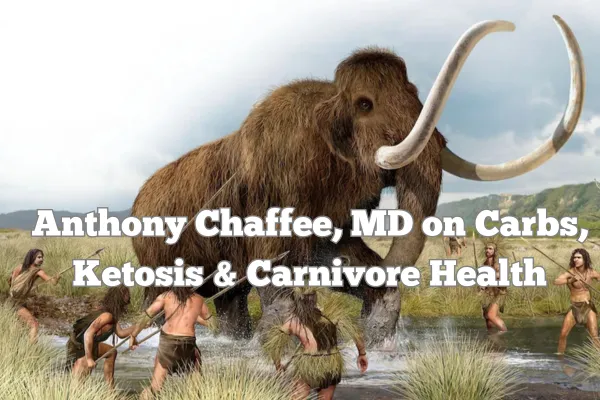
Anthony Chaffee, MD on Carbs, Ketosis & Carnivore Health
Dr. Anthony Chaffee, MD: Carnivore Nutrition & Human Biology
Affiliate Disclosure:
Some links on Vegans Are Delicious may be affiliate links, which means we may earn a commission at no extra cost to you. We only recommend products and resources we genuinely believe add value to a carnivore-focused lifestyle.
About Anthony Chaffee, MD
Dr. Anthony Chaffee is a medical doctor with a background in neurosurgical training and a strong focus on evolutionary biology and human physiology. He is widely known for calmly dismantling common nutrition myths using biochemistry, anthropology, and clinical evidence—particularly around ketogenic and carnivore diets.
Rather than chasing trends, Chaffee frames nutrition through the lens of how humans have actually lived and eaten for millions of years.
Do You Really Need Carbohydrates to Be Healthy?
One of the most persistent claims in nutrition is that carbohydrates are “essential” for health. According to Dr. Chaffee, that idea doesn’t survive even a brief look at human history or basic physiology.
Humans lived as apex predators for over two million years, including long stretches in the Arctic and during ice ages—environments where carbohydrates were virtually nonexistent. If carbs were required for survival or optimal health, human expansion across the planet simply wouldn’t have happened.
Watch the Original Video
Dr. Chaffee explains why carbohydrates are not biologically required—and why ketogenic and carnivore diets are not “stress states”—in this video:
👉 Watch the full video here:
(This article summarizes and discusses key points from the video for educational purposes.)
Key Takeaways from Dr. Chaffee
Carbohydrates are not essential for human survival or health
Ketosis is a natural metabolic state, not a stress response
Thousands of human trials show ketogenic diets improve health outcomes
Fat—not protein—is the primary fuel source in ketosis
Low-fat carnivore diets can lead to protein poisoning and poor health
Elevated blood sugar causes glycation, which damages tissues and accelerates aging
Why Ketosis Is Not a “Stress State”
A common argument against carnivore and ketogenic diets is that the body becomes stressed without carbohydrates, leading to high cortisol and hormonal dysfunction.
Dr. Chaffee points out that this claim directly contradicts:
Long-term randomized controlled trials
Basic biochemistry textbooks
Clinical practice in hospitals
Ketogenic metabolism primarily runs on fat and ketones, not protein. The body generates the small amount of glucose it needs through the glycerol pathway, not by breaking down muscle tissue. This process does not require elevated cortisol.
In fact, ketogenic diets are sometimes used therapeutically to reduce the harmful effects of excessive cortisol in medical conditions like Cushing’s disease.
The Real Problem: High Blood Sugar & Glycation
Dr. Chaffee emphasizes that chronic carbohydrate intake—especially sugars and fructose—drives glycation, a process where glucose damages proteins, blood vessels, joints, discs, and organs.
This damage is measurable through markers like HbA1c, which correlates strongly with:
Diabetes
Heart disease
Kidney failure
Blindness
Amputations
Accelerated aging
Insulin rises as a protective response, but chronically elevated insulin creates its own cascade of problems: fat gain, hormone suppression, high blood pressure, and premature aging.
Fat Matters: Why Low-Fat Carnivore Fails
One of Chaffee’s strongest warnings is against low-fat carnivore diets.
When protein intake is high but fat is too low, people can develop symptoms of protein poisoning, including:
Rapid weight loss
Fatigue
Hair loss
Hormonal dysfunction
Feeling “better” only when carbs are reintroduced
The problem isn’t ketosis—it’s insufficient fat. Historically, humans consumed 70–80% of calories from fat, especially in cold climates where survival depended on it.
Carnivore Isn’t Extreme — It’s Ancestral
From mammoths and seals to whales and bears, humans thrived on high-fat animal foods in environments with zero plant availability. Modern discomfort with this idea is cultural—not biological.
Dr. Chaffee’s position is clear:
You can eat carbohydrates if you choose, but there is no biological requirement for them—and strong evidence suggests many people do better without them.
Related Reads on Vegans Are Delicious
🐄 Patty Prime’s Take 🥩
If carbohydrates were required for health, humans wouldn’t have survived ice ages, crossed continents, or dominated the planet eating nothing but animals. Dr. Chaffee doesn’t argue with trends—he argues with physiology. And physiology doesn’t care about quinoa.-Patty Prime
