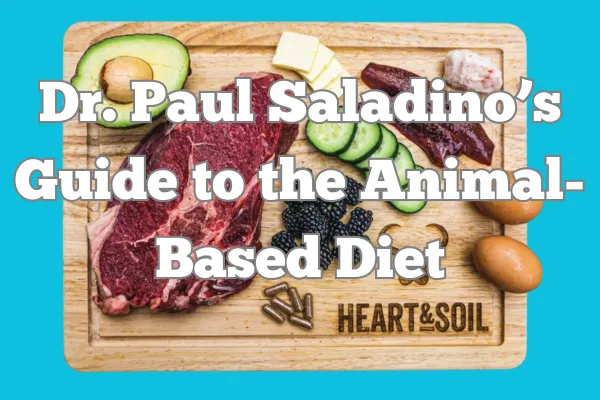
Dr. Paul Saladino’s Guide to the Animal-Based Diet
Dr. Paul Saladino’s Animal-Based Diet: Meat, Fruit, and Metabolic Balance
Disclosure: Some of the links on this page are Amazon affiliate links. If you make a purchase, we may earn a small commission at no extra cost to you. We only share products we genuinely believe are worth your time (and your appetite).
About Dr. Paul Saladino
Dr. Paul Saladino is a physician and proponent of the animal-based diet, an approach centered on nutrient-dense animal foods alongside select low-toxicity plant foods. His work focuses on evolutionary nutrition, metabolic health, and hormone balance.
What Is an Animal-Based Diet?
An animal-based diet prioritizes:
Meat and organs
Animal fats
Bone broth
Raw or minimally processed dairy
Carefully selected carbohydrates, primarily from fruit and honey
According to Dr. Saladino, this approach mirrors how many hunter-gatherer populations ate: focusing on the most nutrient-dense foods available while avoiding plant compounds that can cause digestive or metabolic issues.
Watch the Original Video
Dr. Saladino explains the animal-based diet, its history, and practical implementation in detail here:
👉 Watch the full video on YouTube:
(This article summarizes and discusses key concepts from the video for educational purposes.)
Why Meat and Organs Come First
Saladino argues that meat and organs are the most nutrient-dense foods humans can eat. Muscle meat provides high-quality, bioavailable protein, while organs like liver and heart supply micronutrients that are difficult—or impossible—to obtain from plants alone.
Rather than eating only steak, he encourages a nose-to-tail approach, similar to how humans historically consumed animals.
Balancing Muscle Meat with Collagen
One issue with modern diets is over-reliance on muscle meat without collagen-rich foods.
To balance amino acids, Saladino recommends:
Bone broth made from beef bones
Collagen-rich cuts
Tendons and connective tissue
These provide glycine and proline, which help offset the methionine-heavy amino acid profile of muscle meat.
The Role of Organs
Organs are not optional in Saladino’s framework — they’re essential.
He highlights liver in particular for its:
Copper
Folate
Riboflavin
Vitamin A
These nutrients help balance minerals found in muscle meat, such as zinc and iron.
For those uncomfortable with fresh organs, Saladino acknowledges that freeze-dried organ supplements can be an alternative.
Why Fruit and Honey Are Included
Unlike strict carnivore, the animal-based diet includes carbohydrates — but only from low-toxicity sources.
Saladino favors:
Ripe fruit
Honey
Squash (botanically a fruit)
Coconut water
He argues that ripe fruit contains fewer plant defense chemicals and provides carbohydrates that support:
Hormone balance
Recovery
Sleep
Reduced stress hormones
In his view, fruit does not cause diabetes or metabolic disease when eaten in the context of a nutrient-dense animal-based diet.
Protein Targets and Macronutrient Balance
Saladino suggests a rough guideline of:
~1 gram of protein per pound of body weight
~30–40% of calories from fat
Carbohydrates adjusted based on activity level
Highly active individuals may benefit from higher carbohydrate intake, while less active people may need fewer carbs.
Thoughts on Other Animal Foods
Not all animal foods are equal, according to Saladino.
Grass-fed beef is the gold standard
Chicken and pork are often corn- and soy-fed, increasing omega-6 fats
Fish can contain heavy metals and environmental contaminants
Eggs are valuable but best when pasture-raised and corn-/soy-free
Quality and sourcing matter.
Raw Dairy and Animal Fats
Saladino includes raw dairy, such as raw milk and raw cheese, citing improved digestion and nutrient availability compared to pasteurized dairy.
Animal fats — butter, tallow, and fat from meat — provide most dietary fat in this approach. He cautions against going too low-fat, noting negative effects on hormones and satiety.
Why the Animal-Based Diet Resonates
The appeal of this way of eating lies in its simplicity:
Eat the most nutrient-dense foods first
Minimize toxins and ultra-processed foods
Support metabolism instead of fighting it
Saladino believes this approach helps many people feel better, think clearer, and recover more effectively.
Books by Dr. Paul Saladino Worth Reading
For deeper dives into the animal-based philosophy:
Related Reads on Vegans Are Delicious
🐄 Patty Prime’s Take 🥩
The animal-based diet isn’t about eating plants or avoiding them — it’s about choosing foods that work with human biology instead of against it.-Patty Prime
